Chase Side Southgate gardening guide for narrow access yards
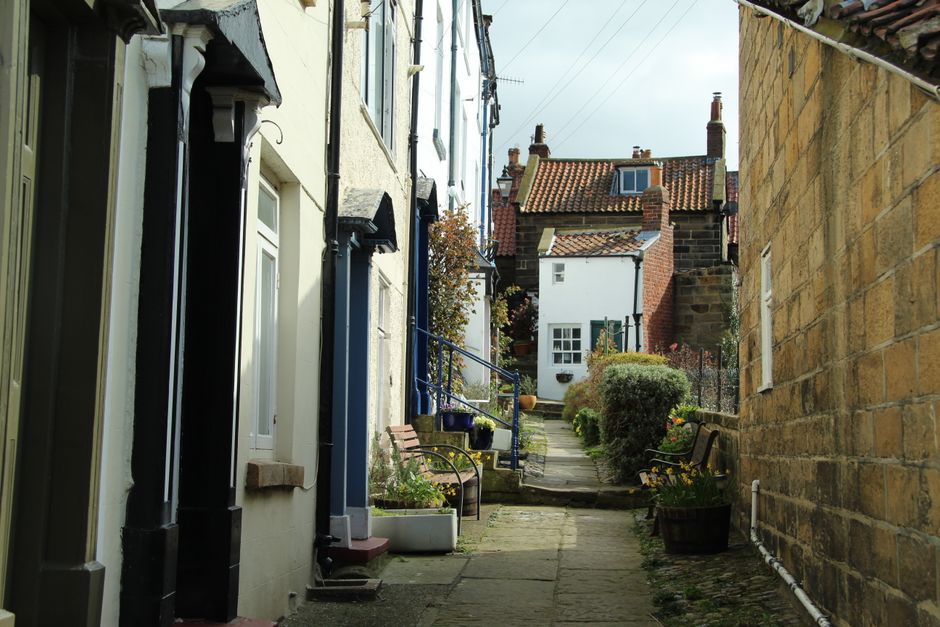
Narrow access yards can be awkward, and anyone who has tried to carry bags of compost through a side passage on a damp morning knows the feeling. This Chase Side Southgate gardening guide for narrow access yards is here to make the job simpler, safer, and a lot less frustrating. Whether you are planning regular upkeep, a full tidy-up, or a smarter redesign for a tight outdoor space, the right approach makes a huge difference.
In Southgate, many gardens and yards have side access that is just wide enough for the essentials, not the easy stuff. That changes how you choose tools, move waste, protect paving, and plan tasks like hedge cutting, lawn care, decking, or garden clearance. The good news? Small access does not mean small potential. With the right method, even a cramped yard can feel organised and genuinely usable.
This guide walks through what works, what tends to go wrong, and how to decide when a simple tidy-up is enough versus when a more thoughtful landscaping plan makes sense. If you need a broader view of local services, you can also look at the services overview, which helps place maintenance, clearance, and landscaping in context.
Why Chase Side Southgate gardening guide for narrow access yards Matters
Narrow access changes everything. A yard that looks straightforward from the back door can become a puzzle once you try to move soil, tools, timber, or cuttings through a side passage. The problem is not just convenience. Tight access affects safety, time, noise, and the final finish of the work. It can also decide whether a job stays a small maintenance task or turns into a bigger project.
For properties around Chase Side and Southgate, that matters because many outdoor spaces are enclosed, shared, or simply not designed for large equipment. You may have limited turning space, awkward steps, delicate boundary walls, or a gate that swings in the wrong direction. Let's face it, a garden can be charming and inconvenient at the same time.
The real value of planning for narrow access is that it reduces stress before any work begins. You avoid trampling plants, dragging waste through the house, or guessing whether a mower will actually fit. You also get a better sense of what can be done efficiently and what needs a different method.
Expert summary: In tight-access yards, the best results come from planning the route first, choosing smaller tools, clearing movement space before you start, and matching the project size to the access you actually have rather than the one you wish you had.
If you are trying to keep the space tidy over time, regular support from garden maintenance can be a lot more practical than waiting until everything is overgrown. Small, frequent jobs are easier to manage when access is awkward. Simple really, but often overlooked.
How Chase Side Southgate gardening guide for narrow access yards Works
The process starts with the access route, not the plants. That is the part many people skip. Before pruning, digging, mowing, or clearing anything, you assess how people and materials will move through the space. Measure the narrowest points, note any sharp turns, check gate widths, and look for overhead obstacles such as low branches or washing lines. You do not need a surveyor's notebook. A tape measure and a careful walk-through are usually enough.
Once the route is clear, the work becomes more methodical. In a compact yard, tasks are often broken into smaller stages:
- remove loose clutter and obvious waste first
- protect paths, thresholds, and any fragile surfaces
- trim or cut back access-blocking growth
- use compact tools rather than oversized machinery
- bag waste in manageable loads
- move material out in planned batches
- finish with a sweep, rinse, or tidy edge detail
That order matters because it reduces the chance of damage and makes the job feel less chaotic. A small yard can get messy fast, especially if wet clippings, broken stems, and potting waste build up in one corner. The trick is to avoid creating a pile you cannot safely shift later.
Where the work involves bigger changes, the access route also shapes the design. For example, installing a new seating area or improving surface levels may be easier if materials are chosen for easy handling. If you are thinking about a more substantial upgrade, landscaping and landscape gardening can be planned around the limitations of the yard rather than fighting them.
And yes, the weather in London does its usual thing. A narrow side path in drizzle becomes slippery very quickly. Not glamorous, but very real.
Key Benefits and Practical Advantages
A well-planned approach to a narrow access yard is not just about making work possible. It changes the quality of the result. When the route is considered properly, you get less disruption, a cleaner finish, and fewer awkward surprises halfway through the job.
- Less damage to the property: Doors, steps, walls, and paving are less likely to get scuffed or chipped.
- Safer movement: Smaller loads and clearer routes reduce trips, slips, and strained backs.
- Better efficiency: You spend less time wrestling with tools and more time actually improving the yard.
- Cleaner disposal: Waste can be bagged and removed in a controlled way rather than piled up in the way.
- More realistic design choices: You can choose materials and layouts that suit the space, not just the idea.
There is also a quieter benefit: peace of mind. When access is tight, people often worry that every task will become a hassle. But once the work is organised around the route and the scale of the space, the whole thing feels much less intimidating.
For homes that need more frequent tidy-ups, pairing access-aware planning with lawn mowing or hedge trimming can keep growth under control without letting the yard become difficult to enter in the first place.
Who This Is For and When It Makes Sense
This guide is useful if you have a back yard, side return, courtyard, or compact garden that feels hard to service properly. It is especially relevant if access is through a narrow gate, shared passage, internal hallway, or a route that curves sharply around the property. If you have ever tried to move a bulky bag of soil and thought, "Well, that was ambitious," you are in the right place.
It makes sense for:
- homeowners trying to maintain a small but awkward garden
- landlords preparing a property between tenancies
- busy households that want low-fuss upkeep
- older properties where access was never designed for modern equipment
- anyone planning a tidy, practical redesign for a compact outdoor area
It also makes sense when the yard has become too cluttered or overgrown to manage comfortably. In that case, a focused garden clearance can restore access before any finer work begins. That is often the difference between a stuck project and a yard that becomes usable again.
If tree branches are contributing to the access problem, or if growth is pressing into the passageway, it may also be worth considering tree lopping and removal where appropriate. That needs careful judgement, of course, because not every branch problem means a tree problem. Sometimes it is just pruning. Sometimes it is not.
Step-by-Step Guidance
Here is a practical way to tackle narrow access garden work without making life harder than it needs to be.
1. Measure the access properly
Check the full route from the front or side entrance to the yard. Measure gate width, tight corners, steps, and any spots where the path narrows. A few centimetres can make the difference between a wheelbarrow rolling smoothly and getting stuck at the worst moment.
2. Clear the route before the main work starts
Move bins, plant pots, hosepipes, bikes, and loose furniture out of the way. It sounds obvious, but in practice this saves more time than anything else. You want a simple, direct route in and out.
3. Decide what must be removed first
If there is dense waste, tangled stems, or heavy debris, start with the material that blocks access. Cut back the worst offenders, then work through the rest in smaller sections. This is especially helpful if you are dealing with a yard that has not been touched for a while.
4. Choose tools that suit the space
Compact hedge cutters, lightweight hand tools, folding saws, small rakes, and manageable bags are often better than large equipment. A smaller tool can be more precise too, which matters when you are close to fences, glass, or paved edging.
5. Work in stages rather than all at once
In a narrow yard, trying to do everything in one pass can create a traffic jam. Handle one area, bag the waste, move it out, then continue. It feels slower at first, but it usually finishes faster overall.
6. Finish with surface care and access checks
Once the main work is done, sweep debris from the route, check for slippery patches, and make sure the space is easy to use again. A tidy access route is part of the job, not an optional extra.
For bigger jobs involving hard surfaces, steps, or layout changes, it can help to think beyond maintenance and into design. That is where decking services may be useful, particularly if the existing ground is uneven or difficult to navigate. Decking is not the answer to everything, of course, but in small yards it can create a cleaner and more predictable surface.
Expert Tips for Better Results
There are a few details that make a surprising difference in tight-access spaces. These are the bits that do not always get mentioned, but they save real time and hassle.
- Use smaller loads. A half-full bag is often easier and safer than an overloaded one. No heroics needed.
- Protect pinch points. Gate latches, wall corners, and step edges are usually the first things to get knocked.
- Keep waste movement planned. Decide where each bag or branch pile is going before you cut it loose.
- Cut back access blockers early. Overhanging stems and creeping growth can turn a straightforward task into a squeeze.
- Think about drainage. Narrow yards often stay damp longer, especially where air movement is limited.
- Use the right finish for the use of the space. If the yard is walked through often, smoother edges and stable surfaces matter more than elaborate planting.
A small story from the sort of work people quietly ask for: one Southgate yard looked almost impossible because a clipped hedge, a leaning planter, and a stack of old compost bags had narrowed the passage to a awkward little corridor. Nothing dramatic. Just enough to make every movement annoying. Once the access route was cleared first, the rest of the tidy-up took half the fuss. That is usually how it goes.
Also, do not underestimate the value of routine. A quick monthly check can prevent the sort of overgrowth that turns a simple task into a weekend event.
Common Mistakes to Avoid
Most narrow access yard problems are not caused by the garden itself. They are caused by the wrong method. Here are the mistakes that crop up again and again.
- Starting the job without measuring access. It sounds basic, but it is one of the most common reasons projects stall.
- Using oversized tools. Bigger is not better when you are turning through a tight passage.
- Leaving waste for later. A growing heap blocks movement and increases slip risk.
- Ignoring surface protection. Freshly cut branches and heavy pots can mark paving in seconds.
- Forgetting the final route back out. People plan entry, then create an exit problem by accident.
- Trying to do too much in one session. Fatigue makes narrow access work feel ten times more awkward.
Another common issue is choosing a "perfect" design that is hard to maintain. A gorgeous plan that needs bulky equipment to keep it under control is not especially practical in a Chase Side side return or courtyard. To be fair, it looks lovely on paper. In real life, though? Not always the winner.
If the area is already heavily built up or cluttered, a better first move may be a good clear-out plus regular upkeep rather than a full redesign straight away. That gives you breathing space before making bigger decisions.
Tools, Resources and Recommendations
You do not need a van full of specialist gear to manage a narrow access yard well. What you do need is equipment that is easy to carry, easy to store, and less likely to damage the route in and out.
| Task | Best fit for narrow access | Why it helps |
|---|---|---|
| Light tidy-up | Hand pruners, secateurs, small rake | Precise, quiet, and easy to move around tight corners |
| Cutting back growth | Compact hedge trimmer, folding saw | Better control where space is limited |
| Waste removal | Smaller garden bags, tarpaulin, sturdy gloves | Safer handling and fewer blockages in the route |
| Surface care | Soft broom, stiff brush, hose with sensible pressure | Clears debris without unnecessary damage |
| Planning a redesign | Simple sketch, tape measure, notepad | Helps match the layout to the access you really have |
For many households, the most useful "resource" is not a tool at all. It is timing. Working in dry weather, or at least choosing a dry window for moving materials, makes a huge difference. Wet leaves, damp paving, and muddy bags are nobody's friend.
Where ongoing care is the priority, a regular schedule through garden maintenance can stop a narrow yard from becoming difficult to use again. If you want the wider property kept in order, combining that with lawn mowing and hedge trimming often gives the most balanced result.
Law, Compliance, Standards, or Best Practice
For home gardens, the main concerns are usually safety, neighbourly conduct, waste handling, and making sure the work is carried out responsibly. This is not the place for overcomplicated legal language, but a few principles are worth keeping in mind.
In practical terms, best practice means:
- keeping access routes clear and reducing trip hazards
- handling tools and waste in a way that avoids injury
- being mindful of boundaries, shared passages, and neighbouring property
- checking whether any larger tree or structural work needs more careful planning
- disposing of waste responsibly and not blocking communal access
If work involves heavier lifting, cutting back high growth, or awkward surfaces, it is wise to pay attention to basic safety procedures. For a service provider, this should include sensible risk awareness, suitable insurance, and a clear approach to health and safety. If you want to understand those expectations in more detail, the site's insurance and safety information and health and safety policy are useful reference points.
There is also a sustainability angle. Small yards generate a lot of green waste relative to their size, especially if they are cut back after a long period of neglect. Choosing sensible recycling habits matters. Where possible, think about reuse, composting, and sorting waste cleanly. The recycling and sustainability approach should be part of the plan, not an afterthought.
One gentle caution: if trees are close to structures, fences, or the access route, any pruning or removal should be considered carefully. It is easy to overcut in a narrow space because the branches feel like they are in the way. Sometimes they are. Sometimes they are also part of the garden's balance.
Options, Methods, or Comparison Table
Different access problems call for different solutions. Below is a simple comparison of the most common approaches for narrow access yards.
| Approach | Best for | Strengths | Limitations |
|---|---|---|---|
| Routine maintenance | Yards that are already usable | Cheap, simple, keeps growth under control | Won't solve deep clutter or poor layout |
| Garden clearance | Overgrown or blocked access | Restores movement fast and makes later work easier | May be a one-off fix unless maintenance follows |
| Targeted landscaping | Spaces needing better function | Can improve layout, surface quality, and usability | Needs planning and can be more involved |
| Decking or raised surfaces | Uneven or damp yards | Creates a cleaner, more walkable surface | Should suit the space and maintenance level |
In practice, the smartest choice is often a combination. For example, a yard may need clearance first, then maintenance, then a more modest landscaping improvement. That sequence is usually more sensible than jumping straight to a bigger redesign. Less drama. Better finish.
For readers weighing options, the most useful question is not "What looks best?" It is "What can I actually keep up with through this access route?" That one question changes the whole conversation.
Case Study or Real-World Example
Here is a realistic example, based on the sort of narrow-access garden many Southgate households deal with.
A small rear yard off Chase Side had a slim side passage, a gate that opened inward, and a collection of old pots that had slowly become a barricade. The owner wanted the space cleared, but also wanted to keep enough structure to make it useful for summer sitting and low-maintenance planting. The main issue was not the size of the garden. It was the movement through it.
The work began by clearing the access route and removing the worst waste first. After that, the overgrown hedge was cut back in stages so the passage could be used more easily. The paving was swept down, a few damaged containers were removed, and the owner chose simpler planting rather than adding more bulky features. Nothing flashy, which is often the best compliment a small yard can get.
By the end, the garden felt calmer and easier to use. Not larger, obviously. Just more sensible. And that is usually the real win in narrow access spaces. You are not chasing a fantasy of endless room. You are making the space behave properly.
If a project like that needed a firmer reset, a service such as garden clearance would be the natural first stage before maintenance or redesign. It is often the difference between "we keep meaning to do something" and "right, this is workable now."
Practical Checklist
Use this checklist before starting work in a narrow access yard. It keeps the process grounded and helps avoid the classic last-minute scramble.
- Measure the gate, side passage, and narrowest turning points
- Check for steps, loose paving, slippery patches, or low branches
- Remove bins, pots, toys, bikes, and temporary clutter
- Choose compact tools and smaller waste bags
- Plan the direction of travel before cutting or clearing
- Protect walls, thresholds, and decorative surfaces
- Work in manageable sections rather than one huge push
- Keep the exit route clear as you go
- Finish with sweeping, waste removal, and a final access check
- Decide whether the space needs maintenance, clearance, or a redesign next
Keep this simple. If the route feels awkward before you start, it will not magically become easier once the bags are full.
Get a free quote today and see how much you can save.
Conclusion
A narrow access yard does not have to be a nuisance forever. With the right planning, the right tools, and a realistic sense of what the space can support, even a tight Southgate garden can become neat, manageable, and genuinely pleasant to use. The key is to respect the access constraints instead of fighting them.
That means measuring first, clearing movement routes, choosing compact methods, and deciding whether your best next step is maintenance, clearance, or a more thoughtful landscaping change. Small spaces reward sensible decisions. Quite often, they reward patience too.
If your yard has been feeling a bit boxed in lately, start with one clear step and build from there. Little by little, the space opens up. And honestly, that moment when the garden suddenly feels easy again? It's a good one.
Frequently Asked Questions
What is the main challenge with narrow access yards?
The main challenge is movement. Getting tools, waste, and materials in and out safely is often harder than the gardening itself. That affects everything from planning to clean-up.
Do narrow access yards always need specialist equipment?
Not always. Many jobs can be handled with smaller hand tools, compact cutters, and careful staging. The key is choosing equipment that fits the space rather than using oversized gear.
Should I clear the whole yard before starting?
Usually, yes. Clearing the access route first makes the rest of the work easier and safer. Even a small amount of clutter can turn into a big obstacle once you start carrying waste.
What is the best first step if the yard is overgrown?
Start with a garden clearance approach: remove the worst blockages, cut back access-hindering growth, and create a workable route before doing any detailed finishing work.
Can a narrow yard still be made attractive?
Absolutely. In fact, compact gardens often look best when they are kept simple, tidy, and easy to maintain. Clean lines and practical surfaces usually work better than overcrowding the space.
Is decking a good idea for a tight garden?
It can be, if the surface is uneven or awkward to use. Decking is not right for every yard, but it can improve the feel of a narrow space when planned carefully.
How often should a narrow access yard be maintained?
That depends on growth and use, but regular maintenance is usually more effective than long gaps between visits. Small, consistent jobs are easier to manage in restricted spaces.
What are the biggest mistakes people make?
The biggest mistakes are not measuring access, using tools that are too large, leaving waste piles in the way, and trying to do everything in one go. Those choices make the job harder than it needs to be.
Can trees or hedges make access worse?
Yes. Overhanging branches, thick hedging, and unchecked growth can reduce usable width quickly. In some cases, hedge trimming or tree work may be needed to restore access safely.
Is it worth planning landscaping for a narrow yard?
Yes, if the current layout makes the space difficult to use. Good landscaping can improve movement, reduce maintenance, and make the yard feel much less cramped.
How do I know whether I need maintenance or clearance?
If the yard is still broadly usable, maintenance may be enough. If access is blocked by overgrowth, debris, or clutter, clearance is usually the better first step. Sometimes you need both, just in sequence.
What should I look for in a gardening service for narrow access work?
Look for practical experience, sensible planning, clear safety habits, and a realistic approach to the space. Narrow access work is often about judgement, not just effort.
For a more complete view of what is available locally, it can help to revisit the services overview and think through the next sensible step for your garden. A compact yard can be a lovely place to spend time, and with the right care, it becomes easier to enjoy than to worry about.