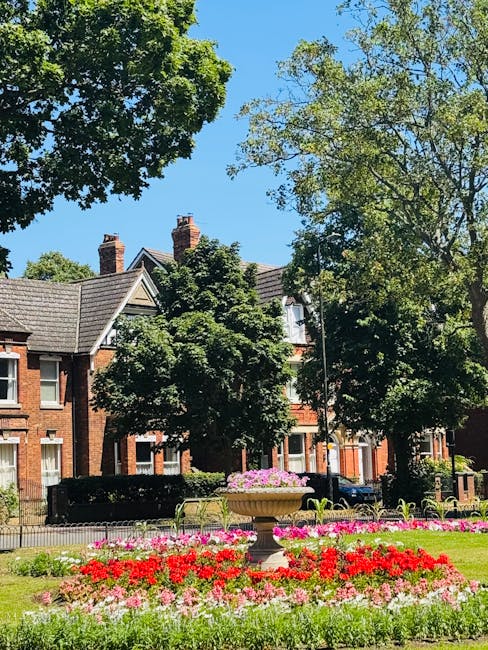
Southgate garden maintenance for businesses and flats
If you manage a business premises, a block of flats, or a shared residential development, you already know the garden is never just "outside space". It is the first thing people see. It shapes how tenants feel when they come home, and how customers judge your place before they even step through the door. Southgate garden maintenance for businesses and flats is about keeping that shared space tidy, safe, welcoming, and manageable all year round.
Truth be told, these jobs can snowball quickly. A few skipped cuts, some leaf fall, a hedge that grows faster than anyone expected, and suddenly the place looks neglected. This guide breaks down what professional maintenance usually involves, why it matters, how it works in practice, and how to choose the right routine without wasting time or budget. You will also find a checklist, a comparison table, and a plain-English look at good practice for busy sites.
Table of Contents
- Why Southgate garden maintenance for businesses and flats Matters
- How Southgate garden maintenance for businesses and flats Works
- Key Benefits and Practical Advantages
- Who This Is For and When It Makes Sense
- Step-by-Step Guidance
- Expert Tips for Better Results
- Common Mistakes to Avoid
- Tools, Resources and Recommendations
- Law, Compliance, Standards, or Best Practice
- Options, Methods, or Comparison Table
- Case Study or Real-World Example
- Practical Checklist
- Conclusion
- Frequently Asked Questions
Why Southgate garden maintenance for businesses and flats Matters
Shared gardens are not the same as a private back garden. They have more footfall, more stakeholders, more wear and tear, and usually more opinions as well. One resident wants everything trimmed back. Another wants wildlife-friendly planting. A business wants the frontage immaculate for clients. Someone else just wants the bins hidden and the path clear. That mix is exactly why a structured maintenance plan matters.
In Southgate, as in much of London, outdoor space often has to work hard in a limited footprint. You may be dealing with narrow access, communal walkways, compact courtyards, planted borders around entrances, or a small lawn that gets used far more than it was ever designed for. Without regular care, these spaces become untidy quickly. Weeds take over paving joints, hedges block light, lawns thin out, and shrubs begin to obscure sightlines. Not ideal, especially if your entrance is the first impression people get on a wet Monday morning.
For businesses, tidy landscaping supports brand perception and day-to-day safety. For flats, it supports resident satisfaction, helps protect communal assets, and reduces the kind of small issues that turn into complaints. A patchy, unmanaged garden can make a building feel tired even if the interior is spotless. Slightly unfair? Maybe. But it happens all the time.
There is also the practical side. Regular care usually costs less in the long run than repeated catch-up work. A modest routine of garden maintenance often prevents the need for more disruptive tasks later, such as heavy clearance or major cut-backs. That is where the difference between "kept on top of" and "rescued" really shows.
Expert summary: The best communal garden care is usually consistent, low-drama, and planned around how the site is actually used. In other words, not heroic once-a-year blitzes. Just steady, sensible upkeep.
How Southgate garden maintenance for businesses and flats Works
Good maintenance starts with a site-specific plan. A well-run block of flats may need weekly or fortnightly visits in spring and summer, then lighter monthly support in winter. A business frontage may need more frequent mowing and edging if it is highly visible or heavily used. There is no one-size-fits-all approach, and anyone promising that usually has not walked the site properly.
Most professional visits combine routine tasks rather than doing just one job. That could include mowing, edging, hedge trimming, pruning, leaf collection, litter removal, weed control, and a quick check for hazards. On some visits, additional work may be needed, like clearing an overgrown corner, refreshing planting beds, or removing broken branches after windy weather. If the area has timber features or seating, some sites also benefit from occasional support through decking services to keep access areas safe and neat.
The schedule usually depends on five things:
- how visible the space is to tenants, customers, or visitors
- how quickly the planting grows through the seasons
- how much pedestrian use the garden gets
- what surfaces are present, such as turf, paving, borders, or raised beds
- whether the site has access restrictions, bin stores, or shared entrances
It is also common for maintenance to be paired with occasional heavier work. For example, if a garden has become cluttered after a long gap in service, a one-off garden clearance may be needed before routine care can begin properly. That sounds obvious, but it is one of the biggest turning points for under-managed flats.
The better providers will also explain what is included and what is not. That saves awkward surprises later. A light trim is not the same as full reshaping. Leaf collection is not the same as waste removal from a large clearance. And yes, those distinctions matter.
Key Benefits and Practical Advantages
The main benefit is simple: a better-looking, better-functioning site. But the details are where the value really shows.
- Cleaner first impressions: Neat grass, sharp edges, and tidy planting make a building look cared for.
- Lower complaint levels: Residents and visitors tend to complain less when outdoor areas feel consistently managed.
- Improved safety: Clear paths, reduced trip hazards, and sensible pruning help everyday movement.
- Less reactive spending: Regular upkeep reduces the chance of expensive recovery jobs.
- Better use of shared space: People are more likely to sit, walk, or spend time in a space that feels pleasant.
- Seasonal control: Gardens in London can go from tidy to shaggy fast. A routine keeps things under control.
For businesses, there is also a commercial upside. A smart exterior can support customer confidence without anyone saying a word. For flats, the benefit is more domestic but just as real: people feel better about where they live when the communal areas are looked after. That is not sentimental fluff. It changes how a place feels, especially on a grey Tuesday when the bins are out and the hedge has just been clipped. The air even smells fresher after a proper cut.
If sustainability matters to your site, maintenance can be planned in a way that supports responsible waste handling and lower-impact care. Some sites prefer a more considered approach to green waste and seasonal cuttings, which is why it can be useful to ask about recycling and sustainability when arranging ongoing work.
Who This Is For and When It Makes Sense
This service is a strong fit for anyone responsible for a shared or public-facing outdoor area. That includes:
- managing agents and block managers
- freeholders and landlords
- housing associations
- business owners with frontage planting or courtyard spaces
- office managers looking after external areas
- property maintenance teams
- concierge or caretaking teams who need reliable support
It makes sense when the space is used by multiple people, or when the outside area affects how the property is perceived. A small garden behind a block of flats can still need weekly attention if residents use it heavily. Likewise, a retail unit with a narrow front bed may need little work overall, but regular edging and litter removal can make a huge difference to how it looks.
It also makes sense when you are dealing with recurring problems rather than a one-off mess. If the same path keeps getting slippery with moss, the same hedge keeps leaning over the pavement, or the same lawn keeps looking tired after every dry spell, the site probably needs a proper routine rather than occasional rescue work.
And if the outdoor area has become a long-term headache, that is usually a sign to reset the whole approach. A maintenance plan paired with occasional landscaping support can help if the current layout is awkward or difficult to keep tidy. Sometimes the answer is not just more mowing; sometimes it is a better layout, better planting, or better access. That is where landscaping and landscape gardening can come into the conversation naturally.
Step-by-Step Guidance
If you are setting up Southgate garden maintenance for businesses and flats, the process should feel structured, not confusing. Here is the sensible way to approach it.
- Walk the site properly. Look at entrances, boundaries, paths, planted beds, lawns, access gates, bin areas, and any awkward corners.
- List the recurring tasks. For example: mowing, hedge trimming, pruning, weed control, leaf clearance, seasonal planting care, and litter picking.
- Decide the frequency. Busy sites may need weekly work in peak growth periods, while quieter sites may be fine with a lighter schedule.
- Identify hazards. Loose paving, low branches, hidden drains, trip points, and overgrown visibility issues should be noted early.
- Clarify responsibilities. Who unlocks access? Who approves extra work? Where should waste be left or collected?
- Set a maintenance calendar. A seasonal schedule helps keep the site steady rather than reactive.
- Review after the first few visits. Does the plan match reality, or does it need adjusting? Be honest here. Most do need a small tweak.
For many sites, recurring mowing is the backbone of the plan. If grass areas are visible from the street or used by residents, keeping them even and well-edged makes everything else look better too. A dedicated lawn mowing routine is often the simplest way to stop a space drifting into neglect.
If there are hedges, boundaries, or screening plants, they should be handled separately rather than "whenever someone gets to it". Timely hedge trimming keeps growth controlled, improves light, and stops walkways becoming cramped. That one job alone can change the feel of a communal garden quite a lot.
And if large branches, dead wood, or overgrown trees are part of the issue, do not treat that as a side note. Tree work needs its own careful assessment. A proper tree lopping and removal service may be necessary when safety, access, or light levels are affected.
Expert Tips for Better Results
A few small decisions can make a big difference to how well communal outdoor care holds up over time.
- Build around growth, not the calendar alone. Spring and early summer usually need more attention than winter, so the plan should flex a bit.
- Keep access simple. If gardeners waste time getting into locked courtyards or around parked vehicles, the service becomes less efficient and more expensive.
- Prioritise the visible zones. Entrances, paths, and communal sitting areas often need the quickest wins.
- Use small interventions early. A light trim now is easier than a major cut-back later. That sounds obvious, but people still delay it.
- Match planting to maintenance reality. If no one has time for fussy planting, choose robust species and simpler borders.
- Keep communication open. Residents and staff are more likely to support the plan when they understand why certain tasks happen when they do.
One practical tip that gets overlooked: schedule heavier work before events, inspections, leaseholder visits, or seasonal tenancy changes. Even a clean entrance path and neat hedge can shift the mood of a property. The difference is subtle, then suddenly very obvious. Funny how that works.
If the garden is exposed to a lot of foot traffic, consider whether surface maintenance is needed as well as planting care. A tidy courtyard with a neglected paved area still looks half-finished. The best sites balance soft landscaping and hard-surface upkeep, so the whole place reads as cared for.
Common Mistakes to Avoid
Most problems with communal gardens are not dramatic. They are cumulative. A missed visit here, a delayed trim there, and the site begins to slide.
- Waiting until everything looks bad: Reactive care is slower, costlier, and harder to manage.
- Using the wrong schedule: A winter-only visit pattern will not suit fast-growing summer planting.
- Ignoring access issues: Locked gates, poor parking arrangements, or unclear site contacts can ruin efficiency.
- Assuming one task solves everything: Mowing alone will not fix weeds, hedges, or cluttered edges.
- Overlooking waste handling: Green waste, branches, and clearance debris need a proper plan.
- Choosing price before reliability: Cheap is great until the site starts slipping again.
There is also a subtle mistake that shows up a lot in flats: trying to make the outdoor area look perfect once, then leaving it. That never lasts. A communal garden is a living space, not a brochure. It needs rhythm. Not obsession. Just rhythm.
Tools, Resources and Recommendations
You do not need fancy equipment to maintain a decent communal garden, but the right tools and habits matter. For routine work, useful equipment often includes commercial-grade mowers, trimmers, edging tools, pruning gear, leaf collection equipment, and safe waste bags or bins.
From a management point of view, the most useful "resource" is a clear site record. Keep notes on:
- visit dates
- completed tasks
- areas needing follow-up
- access issues
- seasonal changes in growth
That record helps when you need to justify the schedule to residents, directors, or property stakeholders. It also stops the classic "we thought that was done last time" situation. We have all seen that one.
For service planning, it can help to review the wider range of available support through the services overview, especially if the site needs more than basic maintenance. Sometimes a garden benefits from a combination of routine care and occasional improvement work rather than a single service type.
If you need budget planning, the page on pricing and quotes is a sensible place to start. Clear pricing conversations matter more for block and business work than for many homeowners, simply because there are usually more people involved in the decision.
Law, Compliance, Standards, or Best Practice
Communal garden maintenance is not just about appearances. It often has a duty-of-care element too, especially around safe access, predictable upkeep, and the management of obvious hazards. The exact obligations depend on the property type, the contract, and who is responsible for the space, so it is wise to treat legal and compliance matters carefully rather than casually.
In practice, that means a few things. Paths should be kept reasonably clear. Overhanging growth should not block access or sightlines. Dead branches, unstable features, and tripping hazards should be dealt with promptly. Waste should be handled responsibly. And if work is being carried out on an occupied site, the team should understand site rules, access arrangements, and any safety requirements before starting.
It is also sensible to work with providers who can speak plainly about their approach to safety and insurance. If a business or block manager is assessing contractors, documents such as insurance and safety and the health and safety policy are worth reviewing. They should read like real operational guidance, not just polished words on a page.
For general trust and transparency, operational policies can matter too. A clear complaints procedure gives residents or managers a place to raise issues calmly if something needs attention. And if you are dealing with data, enquiry forms, or site information, the privacy policy should explain how that information is handled.
Best practice, to put it simply, is consistency, clear communication, and sensible record-keeping. Nothing flashy. Just the sort of steady professionalism that keeps people confident in the service.
Options, Methods, or Comparison Table
Different sites need different maintenance models. Here is a simple comparison to help you think it through.
| Approach | Best for | Strengths | Limitations |
|---|---|---|---|
| One-off tidy-up | Overgrown or neglected gardens | Fast reset, useful before handover or inspection | Does not prevent the problem returning |
| Regular maintenance visit | Most flats and business premises | Keeps the site stable, predictable, and presentable | Needs a proper schedule and reliable access |
| Maintenance plus periodic clearance | Sites with seasonal build-up or occasional neglect | Balances routine care with deeper interventions | May need extra budget planning |
| Maintenance plus landscaping improvements | Awkward, tired, or hard-to-manage outdoor areas | Can improve both appearance and practicality | Requires more planning upfront |
There is no universal "best" method. A small business frontage may only need regular mowing, edging, and a trim now and then. A block with planted beds, hedges, and a communal lawn may need a more layered plan. And a site that has been neglected for months will probably need both a reset and ongoing support. That is normal, by the way. Happens more often than people admit.
Case Study or Real-World Example
Imagine a Southgate apartment block with a small shared lawn, two hedge lines, a paved entrance, and a planted side bed near the bins. For months, the site has been handled only when residents complain. In early spring, the grass gets long, weeds appear in the paving, the hedge starts brushing past the walkway, and leaves gather around the bin area. Nothing catastrophic. Just enough to make the whole place feel slightly worn out.
The first step is a clean-up visit. The lawn is cut back, the edges are defined, the paving is swept, and the hedges are trimmed to restore shape and light. The overgrown side bed is cleared of litter and dead growth. Then the property manager agrees a routine: more frequent mowing in the growing season, regular hedge attention, and a monthly check on the paved entrance and borders.
Within a few visits, the space feels calmer. Residents stop mentioning the garden in complaints. The entrance looks cleaner. The bin area no longer feels like an afterthought. Nothing dramatic happened. It was just steady attention, which is often all a site needs. Sometimes that is the most satisfying kind of result.
If the same site later wants to refresh the front approach with planting or improve a tired boundary, a longer-term plan could include landscaping work as well as upkeep. That way the garden stops being a problem and becomes part of the property's appeal.
Practical Checklist
Use this checklist before you agree a maintenance plan for a business or flat.
- Have you walked the whole site, including hidden corners?
- Are the entrance areas, paths, and visible frontage priorities?
- Do you know how often the garden really needs attention?
- Are mowing, trimming, pruning, and litter removal all considered?
- Is there a plan for seasonal leaf fall and heavier growth periods?
- Are access arrangements clear for each visit?
- Have safety issues, overhanging branches, and trip hazards been noted?
- Is green waste handling agreed in advance?
- Does the provider explain what is included and what costs extra?
- Have you checked relevant policy pages and service details where needed?
If you can tick most of those boxes, you are already ahead of many sites. A lot ahead, actually.
Conclusion
Southgate garden maintenance for businesses and flats is really about reliability. You want a space that looks cared for without creating endless admin. You want clear paths, controlled growth, tidy entrances, and a plan that suits how the site is used. That is what gives communal outdoor areas their value: they quietly make everyday life easier and the whole property feel more considered.
The best results come from regular attention, honest planning, and a provider who understands the difference between a quick tidy and a proper maintenance routine. If your site has become patchy, overgrown, or just difficult to manage, do not wait for the next complaint or inspection. A reset now is usually simpler than a rescue later.
When it is done well, garden maintenance is one of those services people barely notice - and that is exactly the point. The space just feels right. Calm, neat, usable. A small thing, maybe, but on a busy Southgate street, it matters more than most people think.
Get a free quote today and see how much you can save.
If you want to understand who is behind the work and how the service is approached, you can also read more about the team on the about us page or get in touch through the contact page.
Frequently Asked Questions
What does garden maintenance for flats usually include?
It usually covers routine mowing, hedge trimming, edging, weeding, pruning, leaf collection, and tidying shared areas such as paths and entrance borders. Some sites also need periodic clearance or extra seasonal work.
How often should a business or block of flats have garden maintenance?
That depends on the size of the site, the amount of foot traffic, and how fast the planting grows. Busy or highly visible spaces often need more frequent visits in spring and summer, while quieter sites may need less.
Is regular maintenance better than one-off garden clearance?
Usually, yes. One-off clearance can reset a neglected space, but regular maintenance is what keeps it manageable. The best approach is often a clearance first, then a recurring plan after that.
Can maintenance help reduce resident complaints?
It often can. Clean paths, trimmed hedges, and tidy communal areas remove many of the small irritations that lead to complaints. People notice when a space feels cared for, even if they do not say much about it.
What if the garden is too overgrown for normal upkeep?
Then it may need a heavier initial visit before regular maintenance can begin. That could include clearance, strong cut-backs, or more detailed restoration work depending on the condition of the site.
Do business premises need different maintenance from flats?
Often, yes. Business sites may care more about presentation and visitor perception, while flats usually need a balance of appearance, resident comfort, and practical safety. The tasks can overlap, but the priorities are not always the same.
What should I ask before choosing a garden maintenance provider?
Ask what is included, how often they recommend visits, how they handle waste, whether they can manage safety issues, and how they communicate extra work. Clear answers at the start save a lot of confusion later.
How do I know if a site needs landscaping as well as maintenance?
If the garden is awkward to manage, poorly laid out, or looks tired even after routine care, it may need improvement work as well. In that case, landscaping or landscape gardening can help make the space easier to maintain.
Is hedge trimming really necessary for communal gardens?
Very often, yes. Hedges can block light, crowd pathways, and make entrances feel cramped if they are not kept under control. Regular trimming helps the whole site look sharper and more open.
What should I do about trees that are blocking light or access?
If trees are affecting safety, access, or light levels, they need a separate assessment. In some cases, tree lopping or removal may be appropriate, but it should always be considered carefully and handled properly.
How can I keep maintenance costs under control?
The biggest cost saver is consistency. Regular visits usually prevent expensive catch-up work. It also helps to be clear about priorities, site access, and what really needs doing on each visit.
Where can I find more information about service standards and policies?
Useful supporting pages include the services overview, insurance and safety, and health and safety policy. Those details matter when you are comparing providers for a block or business site.