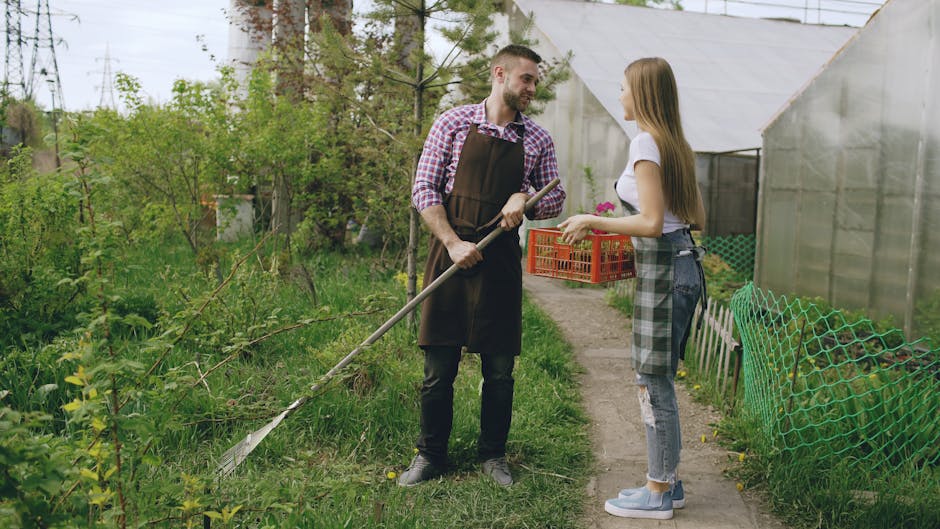
Transparent gardener quote checklist what to ask in Southgate
If you have ever asked for a gardening quote and got back something vague, you will know how frustrating it feels. One minute you think you are comparing like-for-like, the next you are trying to work out whether the price includes waste removal, tools, labour, or just a quick tidy-up. That is exactly why a transparent gardener quote checklist what to ask in Southgate matters. It gives you a simple way to compare gardeners fairly, avoid awkward surprises, and choose someone who actually explains what you are paying for.
Southgate gardens can be a mix of compact front spaces, long rear gardens, older planting, and the occasional overgrown patch that needs proper attention rather than a rushed sweep-through. So a clear quote is not just nice to have. It is the difference between a job done properly and a job that looks fine for a week. In this guide, we will walk through what to ask, what a good quote should include, and how to spot the details that weaker pages often skip over.
Table of Contents
- Why transparent gardener quotes matter in Southgate
- How a transparent quote process works
- Key benefits and practical advantages
- Who this is for and when it makes sense
- Step-by-step guidance
- Expert tips for better results
- Common mistakes to avoid
- Tools, resources and recommendations
- Law, compliance, standards, and best practice
- Options, methods, and comparison table
- Case study or real-world example
- Practical checklist
- Conclusion
- Frequently asked questions
Why transparent gardener quote checklist what to ask in Southgate Matters
A garden quote should do more than name a price. It should explain what the work involves, what is included, what is excluded, and how the job will be carried out. Without that clarity, you can end up comparing apples with pears. One gardener may include labour, waste disposal, and a follow-up tidy; another may only quote for the visible work and leave the extras for later.
In Southgate, where gardens can range from simple maintenance plots to larger family spaces with hedges, lawns, beds, and awkward access, details really matter. A quote that seems cheaper at first glance may not be better value if it leaves out disposal, hedge shaping, or the time needed to clear heavy cuttings. Truth be told, the cheapest quote is often only the cheapest quote on paper.
There is also the trust side of it. Transparent pricing tells you a lot about how a gardener works. If someone is precise about scope, timing, and charges, that usually reflects how they handle the job itself. If they are vague about the quote, they may be just as vague on site. Not always, but often enough to be worth paying attention to.
Practical takeaway: a good garden quote should help you understand the job before it starts, not after the invoice lands. If you cannot tell what is included, ask again.
For broader service planning, it can help to look at the provider's overall approach too. A clear services overview often gives you a better sense of whether the company handles routine upkeep, clearance, and landscaping as separate tasks or part of a wider maintenance plan.
How transparent gardener quote checklist what to ask in Southgate Works
A transparent quote process is fairly straightforward when done well. It starts with a proper discussion about your garden, then moves into a written estimate that matches the discussion. The best quotes usually come from a quick site visit, a set of photos, or both. A gardener needs enough information to assess size, access, condition, and any special requests before giving a realistic price.
In practice, the process tends to look like this:
- You describe the garden and the work you want done.
- The gardener asks clarifying questions about scope, access, and timing.
- They inspect the site or review clear photos.
- They provide a quote or estimate with line items or a detailed summary.
- You compare it with others using the same checklist.
The key is consistency. If one gardener quotes for lawn mowing only and another includes edging, waste removal, and a light tidy, the numbers are not directly comparable. The quote itself is only half the story; the explanation is the rest of it.
It also helps to know whether the price is fixed or estimated. A fixed quote should stay the same unless the scope changes. An estimate can move if the work ends up taking more time or the garden is in a worse state than expected. Neither is wrong, but you need to know which one you are being given. Otherwise there is room for confusion, and frankly, nobody wants that.
Key Benefits and Practical Advantages
When you ask the right questions, you do more than reduce the risk of hidden costs. You also improve the quality of the work you are likely to get. A transparent quote creates better communication from the very start, and that tends to carry through to the job itself.
1. You can compare quotes properly
A clear breakdown lets you line up like-for-like offers. That means you can see whether one gardener is charging more because they include disposal, equipment, or more detailed work. Without that breakdown, comparison is guesswork. And guesswork is a poor way to hire someone for your garden.
2. You reduce the chance of surprises
No one likes hearing about "extras" halfway through a job. Asking upfront about scope, materials, waste, access, and timing makes the whole process calmer. It also gives the gardener a chance to raise anything unusual before work begins, which is usually a good sign.
3. You get better value, not just a lower price
Value is not the same as cheap. A slightly higher quote that includes proper clearance, sensible time allocation, and tidy completion may save you money later because the job is done properly the first time. That is especially true for recurring maintenance, where poor work can create extra work next time round.
4. You can judge professionalism faster
Clear written details, sensible questions, and realistic scheduling all point to a professional approach. If someone cannot explain how they charge, it is fair to wonder how they manage the work. A little awkward? Maybe. But it saves you trouble later.
5. You protect your expectations
When everything is agreed in plain language, it becomes much easier to spot if the work is drifting away from the original plan. You are not being difficult; you are just keeping the job on track.
Who This Is For and When It Makes Sense
This approach is useful for almost anyone hiring a gardener in Southgate, but it is especially helpful if the work is more than a very small one-off tidy. If you need regular lawn care, hedge trimming, or garden clearance, a clear quote saves time and hassle right away.
It also makes sense if:
- you are comparing several local gardeners and want to choose fairly
- your garden has not been maintained for a while
- there is waste to remove, not just light trimming
- you are planning a one-off job before a property sale or move
- you want ongoing maintenance rather than a single visit
- the garden has access issues, steep steps, or shared entry points
If the work is very small, such as a quick mow or minor weeding, the quote process may be simpler. Even then, asking a few direct questions still helps. A ten-minute chat now can save a thirty-minute argument later. Nobody needs that on a Thursday afternoon, especially when the weather has finally turned decent and everyone is trying to get on with life.
For jobs that involve more serious clearance or an overgrown space, it can help to read about services like garden clearance or a broader garden maintenance plan before you request quotes. That way you are clearer on the type of work you actually need.
Step-by-Step Guidance
If you want a quote that is genuinely transparent, use this process. It is simple, but it works.
Step 1: Describe the job in plain language
Start with the basics. What needs doing? Lawn mowing, hedge cutting, pruning, leaf clearance, weed control, disposal, or all of the above? If you know what you want, say it clearly. If you are not sure, that is fine too. A good gardener should help you define the scope.
Step 2: Share photos or arrange a visit
Photos are helpful, but they do not always show access issues, damp ground, hidden waste, or the true size of the garden. If the job is substantial, a site visit is often worth it. You may be surprised how much difference a quick walk-round makes. The light, the slope, the way the hedge sits against the fence - these things matter more than people think.
Step 3: Ask what is included
This is the core of the checklist. Ask whether the quote includes labour, materials, fuel, disposal, and clean-up. Ask whether edging, bagging clippings, or sweeping hard surfaces is included. Do not assume. Assumptions are where the trouble starts.
Step 4: Ask what is excluded
Just as important as what is included is what is not. Some quotes exclude heavy waste removal, composting, replacing plants, or dealing with severe overgrowth. Others may not include VAT if the provider is VAT-registered. It is better to know before the job than after.
Step 5: Check timing and access
Ask how long the work is expected to take, when it can be done, and whether the gardener needs access to water or power. If gates are locked or parking is limited, say so early. A quote can look fine and still fail on logistics if nobody discussed the practical details.
Step 6: Confirm price structure
Ask whether the quote is fixed, hourly, or based on a day rate. Each one works differently. A fixed price gives certainty. An hourly or day rate may suit jobs where the exact time is hard to predict. Neither is better in every case, but you should know how the figure is calculated.
Step 7: Get it in writing
Even a short written quote is better than a verbal promise you will not remember clearly two weeks later. A written summary protects both sides and makes follow-up easier if anything changes. Simple, really.
Step 8: Compare the details, not just the number
Once you have a few quotes, compare scope, exclusions, timing, and professionalism. The cheapest quote may still be the best choice if it is complete. Equally, a higher quote may be worth it if it includes better service and less hassle.
Expert Tips for Better Results
After you have seen enough quotes, you start to notice patterns. Some gardeners are brilliant at practical clarity. Others are vague until you start asking hard questions. That is not personal; it is just how the market works sometimes.
Ask about waste from the start
Waste disposal is one of the most common areas where misunderstandings creep in. Green waste, branches, heavy bags, and mixed debris can all affect the cost. If the job will produce a noticeable amount of waste, ask how it will be handled. Will it be taken away? Is there an extra charge? Is recycling considered? If the answer is fuzzy, keep asking.
Be clear about finish standards
What does "tidy" mean to you? For one person, it means a light sweep and mow. For another, it means crisp edges, cleared paths, and beds reset neatly. Say what you want. A gardener can only meet your expectations if they know what those expectations are.
Ask what happens if the job changes
Sometimes a garden looks straightforward until work begins. Hidden roots, thicker growth, broken fencing, or dumped waste can alter the scope. A good quote should explain how changes are handled. Will you be consulted first? Will extra work be priced separately? That one question can prevent a lot of friction.
Look for practical confidence, not sales talk
To be fair, anyone can say they are "the best local gardener." What matters more is whether they answer specifics. Do they explain the process calmly? Do they give sensible time estimates? Do they ask useful questions back? That is usually a stronger sign than polished wording.
Use photos strategically
If you are sending photos, take a few from different angles in good daylight. Show gates, side access, the main lawn, and any problem areas. A blurry photo at dusk can make the whole thing harder than it needs to be. We have all done it. The phone says the image is fine; the gardener squints at it and asks for another.
Common Mistakes to Avoid
Most quote problems are avoidable. They come down to missing information, weak assumptions, or rushing the comparison stage.
- Comparing prices without checking scope. A low quote is not a bargain if it excludes half the work.
- Not asking about waste removal. This is one of the biggest sources of surprise charges.
- Assuming every gardener works the same way. Some charge by the hour, others by the job, and the difference matters.
- Skipping the written quote. Verbal agreements fade quickly, especially when the garden is busy and the weather turns.
- Not mentioning access issues. Narrow side paths, locked gates, parking restrictions, and shared entries can all affect the quote.
- Forgetting to define the finish. "Tidy" means different things to different people.
- Choosing only on price. That is how hidden extras and poor workmanship sneak in.
There is a small, annoying truth here: the job you think is simple may not be simple at all. Better to ask one more question now than fix a misunderstanding later. Much easier on everyone.
Tools, Resources and Recommendations
You do not need specialist tools to ask for a good quote, but a few practical resources can make the process smoother.
1. Photos taken in daylight
Clear photos are one of the easiest ways to communicate the state of the garden. Include wide shots and close-ups. A quick set taken in the morning or late afternoon usually works well.
2. A simple list of tasks
Write down exactly what you want done. Keep it short and specific: mow lawn, trim hedge, remove clippings, clear patio, cut back overgrowth, and so on. This helps the quote stay focused.
3. Measurements where possible
You do not need to be exact, but rough dimensions can help. A small front garden and a large rear lawn are very different jobs. Even approximate sizes help a gardener estimate time and cost more accurately.
4. Access notes
Note anything unusual: no side access, steep steps, shared driveway, limited parking, or a need to work at certain times. These details save awkward back-and-forth later.
5. A shortlist of questions
Keep the questions ready before you start getting quotes. That way you do not forget the important bits when someone rings you back. If you want a broader sense of the company behind the quote, check pages such as about us and pricing and quotes to understand how they present their service and pricing approach.
Law, Compliance, Standards, or Best Practice
For garden work in the UK, most of the quote conversation is about good practice rather than complex law, but a few points still matter. A trustworthy gardener should have appropriate insurance, especially for work that involves tools, ladders, machinery, or waste handling. If a provider cannot clearly explain their insurance and safety approach, that is worth paying attention to.
It is also sensible to ask about health and safety procedures, especially for larger or more involved jobs. Reputable operators usually have their own methods for risk awareness, safe tool use, and site care. That is not overkill; it is basic professionalism. If a gardener is working around public-facing paths, shared access, or awkward slopes, safe working matters even more.
Waste disposal and recycling should also be handled properly. Ask how green waste is managed and whether the gardener follows a recycling approach where appropriate. You do not need a lecture on sustainability, just a clear answer. If your job includes larger-scale clearance, checking insurance and safety and the company's recycling and sustainability approach can be a smart move.
There is also the matter of privacy and payment handling. A professional service should be clear about how your information is used, how payments are taken, and what terms apply if the scope changes. It sounds a bit dry, but these basics are part of a tidy, well-run service.
If any issue arises after the job, a visible complaints procedure is a reassuring sign that the business takes accountability seriously. That matters more than people think when something small goes wrong and needs sorting quickly.
Options, Methods, and Comparison Table
There is more than one way to quote for garden work. The method used can affect how transparent the final price feels, so it helps to know the differences.
| Quote method | How it works | Best for | Watch out for |
|---|---|---|---|
| Fixed quote | One set price agreed before the job starts | Clearly defined jobs with a known scope | Scope changes can alter the final amount |
| Hourly rate | You pay for the time spent on site | Uncertain or variable jobs | Longer jobs can become expensive if the scope is vague |
| Day rate | A full day of work is priced as a block | Large gardens or mixed jobs | Can be inefficient if the task is smaller than expected |
| Visit-based estimate | Price is estimated after a site visit, then confirmed | Overgrown or complex gardens | Make sure the estimate becomes clear in writing |
For many Southgate homeowners, a fixed quote is the easiest to understand and compare. For larger jobs, a site-based estimate may be more realistic. If you are unsure, ask the gardener which method they recommend and why. A decent professional will explain the reasoning without turning it into a sales pitch.
Case Study or Real-World Example
Imagine a typical Southgate garden with a rear lawn, a hedge along the fence, some weeds in the beds, and a pile of clippings from an earlier half-finished tidy-up. On the phone, two gardeners give rough prices that sound similar. One says "basic tidy-up," the other says "full maintenance visit."
The first quote looks cheaper. But once you ask questions, you find it excludes hedge trimming, waste removal, and any work on the beds. The second includes the lot, plus a proper finish around the patio and a sweep-up at the end. The first quote is not wrong; it is just incomplete.
That is the whole point of a transparent gardener quote checklist what to ask in Southgate. It turns a vague comparison into a fair one. In the real world, the better quote often is the one that makes the fewest assumptions and the most sense.
In one ordinary-sounding case like this, the homeowner usually ends up choosing the quote that explains the work most clearly. Not because it is the cheapest. Not because it sounds fancy. Because it feels honest. And that feeling is worth something.
Practical Checklist
Use this checklist before agreeing to any gardener's quote in Southgate.
- Ask what is included in the price.
- Ask what is excluded from the price.
- Confirm whether waste removal is included.
- Check whether the quote is fixed, hourly, or estimated.
- Ask how long the work should take.
- Confirm access needs, parking, and gate entry.
- Ask whether tools, fuel, and materials are included.
- Clarify the finish standard you expect.
- Ask how extra work will be approved and priced.
- Request the quote in writing.
- Check insurance and safety arrangements where relevant.
- Ask how recycling or green waste is handled.
- Compare quotes on scope, not just on total price.
- Keep a copy of the agreed details for reference.
Quick rule of thumb: if a quote sounds simple but the job sounds complex, ask more questions. That mismatch usually tells you something.
If you are moving from quote stage into action, it may help to look at related services like lawn mowing, hedge trimming, or even tree lopping and removal if the garden has taller growth or safety concerns. Not every job needs all three, obviously, but it is useful to know what sits where.
Conclusion
A transparent quote is not about making things complicated. It is about making them clear. When you know what to ask, you can compare gardeners properly, avoid hidden extras, and choose someone who respects both your budget and your garden. That is especially useful in Southgate, where gardens and access conditions can vary more than people expect.
The best results usually come from simple, direct questions asked early. What is included? What is not? How is waste handled? Is the price fixed? What happens if the work changes? Once you have those answers, the rest of the decision becomes much easier. And honestly, it feels better too.
Get a free quote today and see how much you can save.
If you want a well-managed service from a team that values clarity, start with the basics and keep the conversation open. A good gardener will not mind. In fact, the best ones usually welcome it.
Frequently Asked Questions
What should I ask before accepting a gardener's quote in Southgate?
Ask what the price includes, what it excludes, whether waste removal is part of the cost, how long the work will take, and whether the quote is fixed or estimated. Those five questions alone clear up a lot.
How do I know if a gardener's quote is transparent?
A transparent quote explains the scope of work in plain language and separates included items from extras. If the quote is vague or only gives a total number, ask for more detail before agreeing.
Should a garden quote include waste removal?
Not always, but it should say clearly whether waste removal is included. This is one of the most common areas where people get caught out, so it is worth asking directly.
Is a fixed quote better than an hourly rate?
It depends on the job. A fixed quote is usually easier to compare and gives more certainty. An hourly rate can suit unclear or variable jobs, but you need to be comfortable with the possible final cost.
Do I need a site visit for a garden quote?
For larger, more complex, or overgrown jobs, a site visit is often helpful. For smaller routine jobs, photos may be enough. If in doubt, a visit usually leads to a more accurate quote.
What if my garden has difficult access?
Tell the gardener early. Narrow side access, shared entries, steps, and parking restrictions can all affect labour time and pricing. It is much better to mention these details before the quote is agreed.
Can I ask a gardener to itemise the quote?
Yes, and it is often a very sensible request. Itemised quotes help you compare prices more fairly and understand what you are actually paying for.
How many quotes should I get?
Most people find two or three quotes enough to compare properly. More than that can become tiring unless the job is unusually large or complex.
What should I do if the quote changes after the work starts?
Ask why the scope has changed and request a clear explanation of any extra charge before the work continues. A good gardener should be able to explain the variation clearly and calmly.
Why does one gardener seem much cheaper than the others?
Sometimes it is because they are leaner on overheads. Sometimes it is because they have left out important parts of the job. Compare the scope carefully before deciding, because a cheaper headline figure can hide missing work.
Should I check insurance before hiring a gardener?
Yes, especially for larger jobs or work involving tools, ladders, or clearance. Insurance is part of basic professionalism and helps protect both sides if something goes wrong.
What is the biggest mistake people make when comparing garden quotes?
The biggest mistake is comparing only the final price without checking what each quote actually includes. That is how hidden extras and mismatched expectations creep in. A proper comparison needs the details.